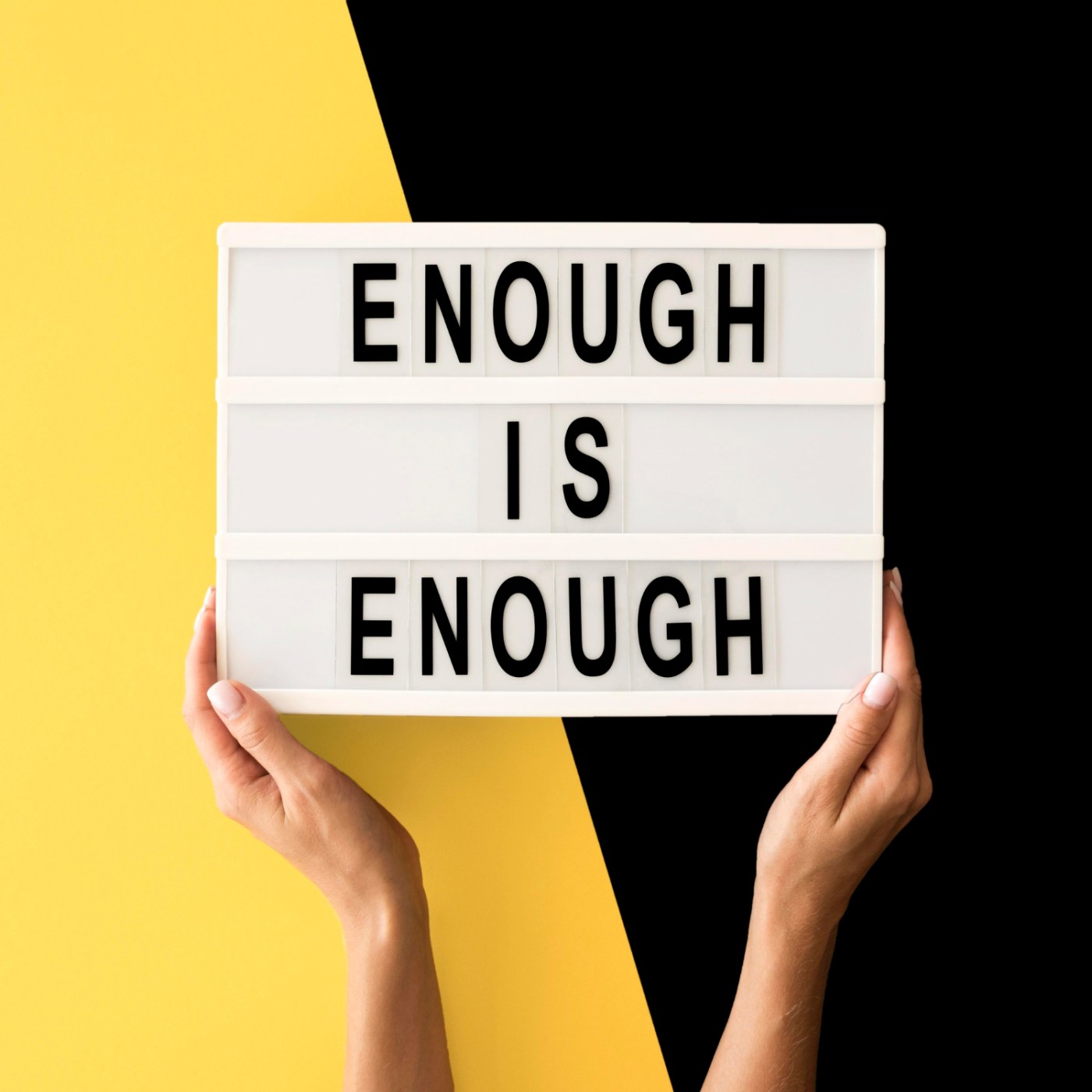
In today’s fast-paced world, it’s easy to get caught up in the whirlwind of responsibilities, relationships, and expectations. Many of us push through, convinced that if we just hang on a little longer, things will get better. But at some point, we need to recognize that our mental health must come first. Understanding when enough is enough is key to protecting your well-being and living a life that feels balanced and healthy.
This blog will explore the importance of setting boundaries, particularly in relationships, and how to identify when it’s time to say “no” to things that no longer serve you.
Recognizing the Signs: When It’s Time to Take a Step Back
We all have limits, but sometimes it’s hard to notice when we’re pushing ourselves too far. Many people only recognize they’re overwhelmed when they’re already burned out, but there are early signs you can watch for to avoid reaching that point.
- You feel constantly drained: If you’re always tired or emotionally exhausted, it’s a sign that your mental and physical resources are being stretched too thin.
- Irritability and frustration are frequent: If small things set you off, it may be a sign that your stress levels are unmanageable.
- Anxiety and worry have become overwhelming: Persistent anxiety that affects your ability to relax, sleep, or function is a strong indicator that your mental health needs attention.
- You’re withdrawing from things you once enjoyed: Losing interest in hobbies, socializing, or even basic activities like exercise could mean you’re mentally overwhelmed.
When you notice these signs, it’s time to prioritize your mental health and take steps to regain balance.
Setting Boundaries: Not Taking Any More From Relationships
One of the most important aspects of protecting your mental health is establishing healthy relationship boundaries. This doesn’t mean cutting people off or becoming distant, but recognizing when a relationship is harming your well-being rather than enhancing it.
Why Boundaries Matter
Relationships—whether with friends, family, or partners—should be supportive, mutual, and respectful. Unfortunately, some relationships can become one-sided, draining, or toxic over time. Setting boundaries is your way of saying, “I care about myself enough to protect my peace, even if it upsets others.”
Boundaries in relationships are vital for:
- Preventing emotional manipulation: You have the right to say “no” to guilt-tripping, gaslighting, or emotional control, no matter how close the relationship is.
- Maintaining self-respect: When you draw lines, you’re affirming your self-worth. Relationships should never diminish how you feel about yourself.
- Avoiding burnout: Constantly bending over backward to please others, especially those who do not reciprocate, leads to emotional exhaustion.
How to Set Clear Boundaries
- Communicate openly: Express your feelings directly but kindly. If someone is asking too much from you, say, “I care about you, but I need some space to focus on my mental health.”
- Be firm but compassionate: Some people may resist or feel hurt when you enforce boundaries, but this is about protecting your mental state. Stand firm but remain empathetic.
- Know when to walk away: Not every relationship can be saved. If someone repeatedly crosses your boundaries, no matter how important they are to you, it may be time to distance yourself or let them go entirely.
Understanding Your Mental Health Needs
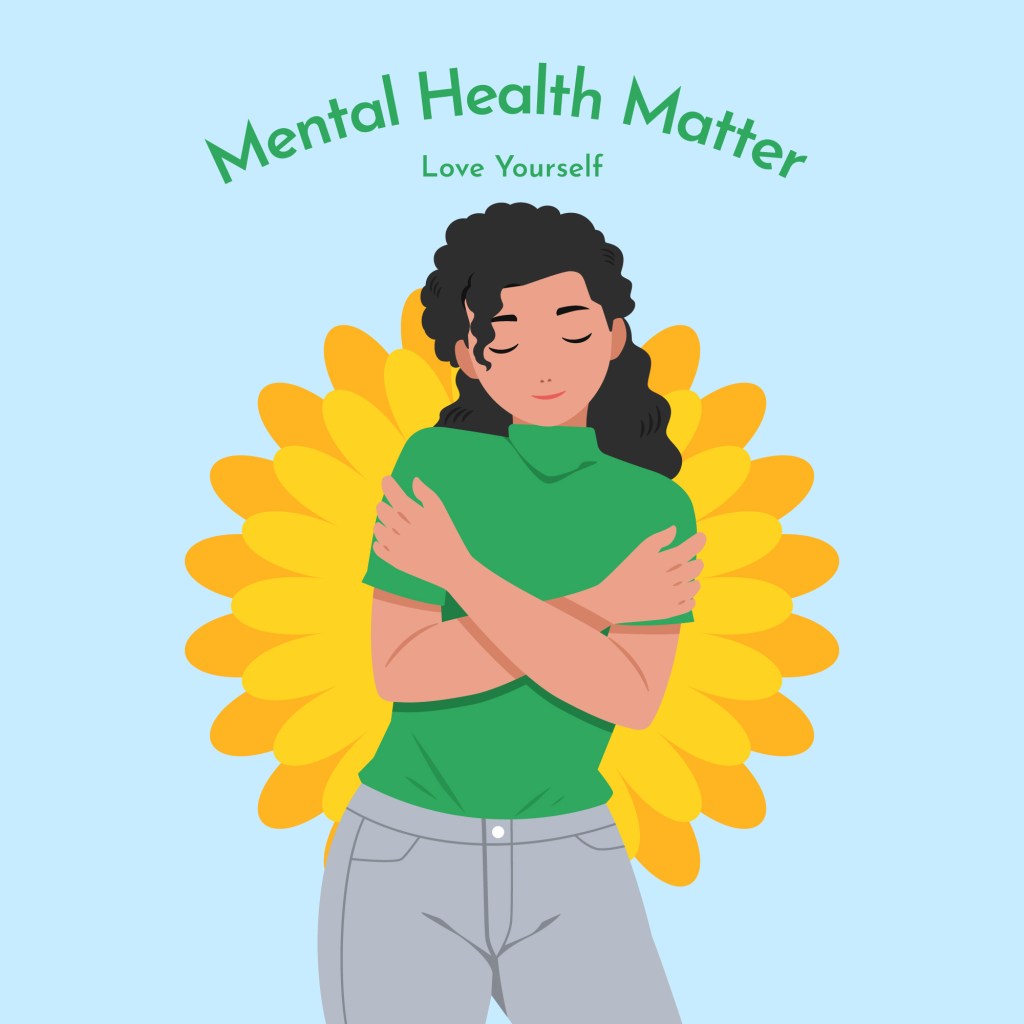
We often hear the term “self-care,” but true self-care goes beyond the occasional bath or evening off. It’s about understanding your mental health needs and actively making choices that support those needs daily.
What Are Your Mental Health Needs?
- Rest and recuperation: Do you give yourself time to rest? Mental fatigue is just as real as physical exhaustion. It’s crucial to find moments to recharge, whether through sleep, mindfulness, or alone time.
- Social support: Are the people in your life encouraging, or do they drain you? Take stock of your social circle and keep those who uplift you, while creating distance from those who don’t.
- Pursuing joy and fulfillment: How often do you do things purely because they make you happy? Hobbies, creative outlets, or simply enjoying the present moment are essential for emotional well-being.
Learning to Say No Without Guilt
Many of us have a habit of saying “yes” to things that don’t serve us, simply because we’re afraid of disappointing others. Whether it’s agreeing to extra work, participating in a social event when you’re exhausted, or doing favors for someone who takes you for granted, it’s important to learn to say “no.”
How to Say No Effectively
- Practice saying it: If you’re not used to saying “no,” start with small things. The more you practice, the easier it will become.
- Offer alternatives when possible: You don’t have to leave people hanging when you say no. Offer alternative solutions if you feel comfortable, such as rescheduling or suggesting someone else for the task.
- Remember your worth: You are not defined by how much you do for others. Your value lies in who you are, not how often you say “yes.”
Dealing With Guilt When Prioritizing Your Mental Health
It’s common to feel guilty when you start prioritizing your mental health, especially if you’ve spent years putting others first. But remember, setting boundaries and taking care of yourself isn’t selfish—it’s necessary.
Why You Shouldn’t Feel Guilty
- Your well-being affects others: When you’re mentally and emotionally drained, you can’t show up fully for others, whether that’s your family, friends, or colleagues. Prioritizing your mental health means you’ll be able to support others in a healthier way.
- You deserve to be happy: Everyone deserves to live a fulfilling, peaceful life. Prioritizing yourself is not taking away from others; it’s giving you the space to become the best version of yourself.
- It’s part of self-respect: Saying “I deserve better” is a powerful act of self-respect. You are choosing to respect your time, energy, and emotions.
The Power of Letting Go
Sometimes, despite our best efforts, we need to let go of certain people, habits, or obligations. Whether it’s a toxic relationship, a draining job, or an unsustainable commitment, releasing things that weigh you down is a key step in improving your mental health.
How to Let Go Gracefully
- Acknowledge the issue: Recognize when something or someone is no longer serving your best interests.
- Take time to grieve: Letting go, even when necessary, can be painful. Give yourself the space to feel sad, but remember why you’re making this choice.
- Focus on the future: Letting go opens up room for new opportunities, healthier relationships, and personal growth. Look ahead with hope and optimism.
Final Thoughts: Your Mental Health is a Priority, Not an Option
In life, we are constantly bombarded with expectations, demands, and pressures. But when it comes to mental health, it’s important to recognize that you can’t pour from an empty cup. Taking care of yourself is not only important—it’s essential.
Whether you need to set boundaries in relationships, say “no” more often, or let go of what no longer serves you, remember this: your mental health is worth protecting. Don’t wait until you’ve reached the breaking point to prioritize yourself. Make your well-being a daily commitment, and learn to say, “Enough is enough” with confidence and compassion.
Love & Hugs
Mini B
 Love your life
Leave a comment